Framed Prints
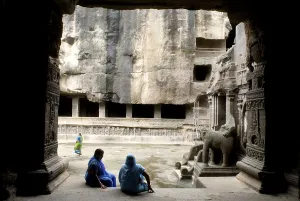
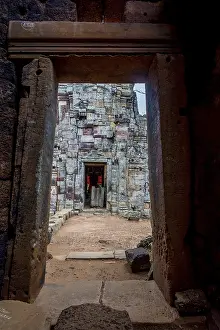
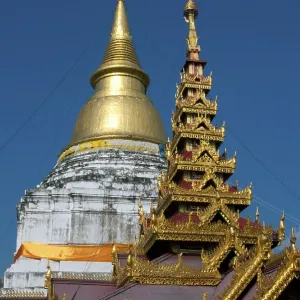
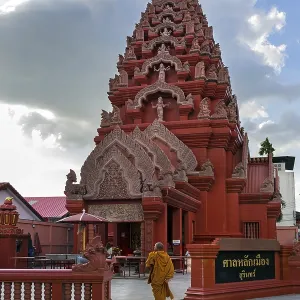
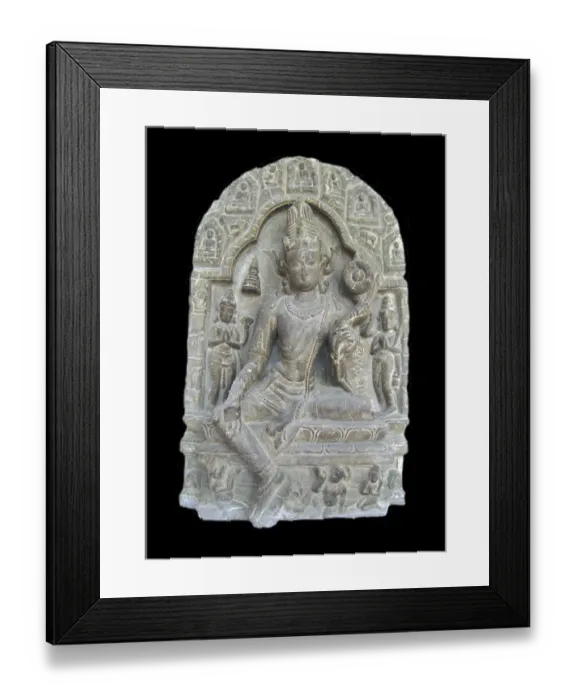
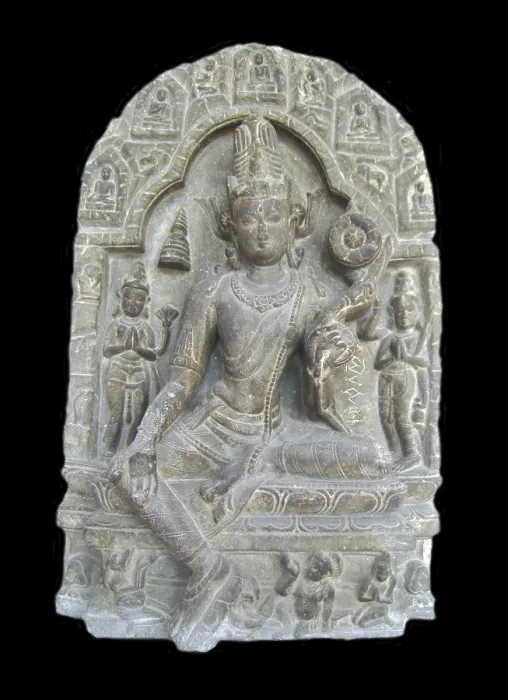
Framed Print of The Pala Empire, one of the major middle kingdoms of India
The Pala Empire, one of the major middle kingdoms of India, existed from 750-1174 CE. It was ruled by a Buddhist dynasty from Bengal in the eastern region of the Indian subcontinent, all the rulers bearing names ending with the suffix Pala (Modern Bengali: পাল pal), which means protector. The Palas were often described by opponents as the Lords of Gauda. The Palas were followers of the Mahayana and Tantric schools of Buddhism. Gopala was the first ruler from the dynasty. He came to power in 750 in Gaur by a democratic election. This event is recognized as one of the first democratic elections in South Asia. He reigned from 750-770 and consolidated his position by extending his control over all of Bengal. The Buddhist dynasty lasted for four centuries (750-1120 CE) and ushered in a period of stability and prosperity in Bengal. They created many temples and works of art as well as supporting the Universities of Nalanda and Vikramashila. Somapura Mahavihara built by Dharmapala is the greatest Buddhist Vihara in the Indian Subcontinent.
The empire reached its peak under Dharmapala and Devapala. Dharmapala extended the empire into the northern parts of the Indian Subcontinent. This triggered once again the power struggle for the control of the subcontinent. Devapala, successor of Dharmapala, expanded the empire to cover much of South Asia and beyond. His empire stretched from Assam and Utkala in the east, Kamboja (modern day Afghanistan) in the north-west and Deccan in the south. According to a Pala copperplate inscription Devapala exterminated the Utkalas, conquered the Pragjyotisha (Assam), shattered the pride of the Huna, and humbled the lords of Pratiharas, Gurjara and the Dravidas.
The death of Devapala ended the period of ascendancy of the Pala Empire and several independent dynasties and kingdoms emerged during this time. However, Mahipala I rejuvenated the reign of the Palas. He recovered control over all of Bengal and expanded the empire. He survived the invasions of Rajendra Chola and the Chalukyas. After Mahipala I the Pala dynasty again saw its decline until Ramapala, the last great ruler of the dynasty, managed to retrieve the position of the dynasty to some extent. He crushed the Varendra rebellion and extended his empire farther to Kamarupa, Orissa and Northern India.
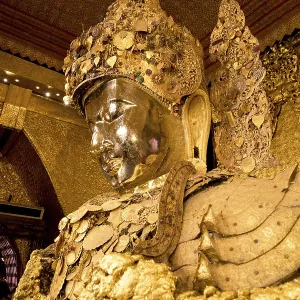
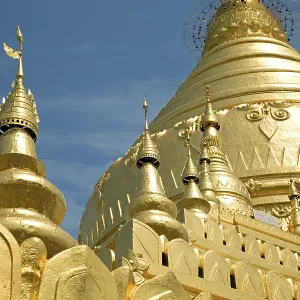
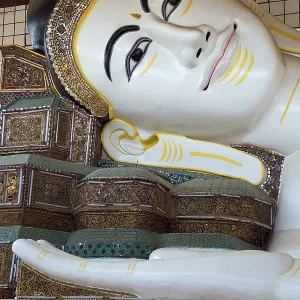
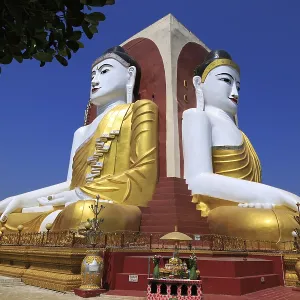
The Pala Empire can be considered as the golden era of Bengal. Never had the Bengali people reached such height of power and glory to that extent. Palas were responsible for the introduction of Mahayana Buddhism in Tibet, Bhutan and Myanmar. The Palas had extensive trade as well as influence in south-east Asia. This can be seen in the sculptures and architectural style of the Sailendra Empire (present-day Malaya, Java, Sumatra). The Pala Empire eventually disintegrated in the 12th century weakened by attacks of the Sena dynasty followed by the invasion of Bakhtiyar Khilji's Muslim armies
The P?la Empire, one of the major middle kingdoms of India, existed from 750-1174 CE. It was ruled by a Buddhist dynasty from Bengal in the eastern region of the Indian subcontinent, all the rulers bearing names ending with the suffix Pala (Modern Bengali. Explore the World Through imageBROKER Prints. © imageBROKER/Daderot
Your chosen combination is quickly and professionally made to order, our shipping page has more details
If you are not entirely happy with your items, simply return them to us within 30 days for a replacement or full refund. Please read our full returns policy.
Media ID 43415125
Bangladeshi
Modern 14"x12" (36x31cm)
Ready to Hang Contemporary Framed Prints adds style, protection, and a polished touch to your space - effortlessly.
Your artwork will be printed as shown in the preview. To adjust please select Edit Printed Image under the Buy button
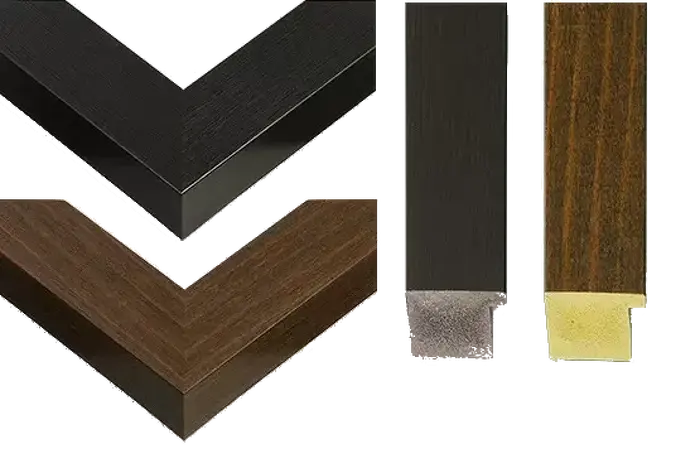
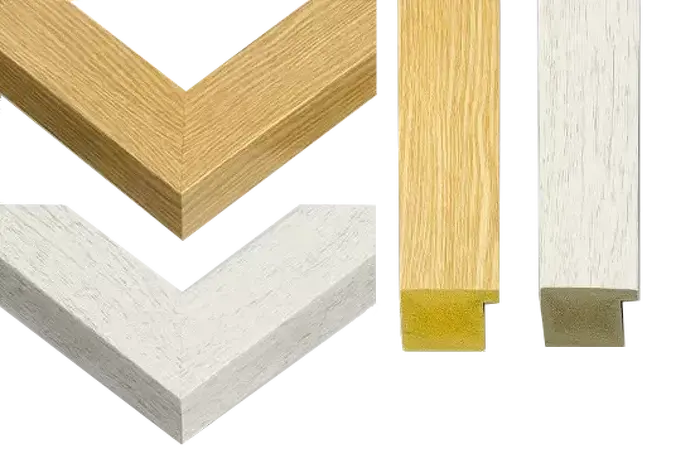
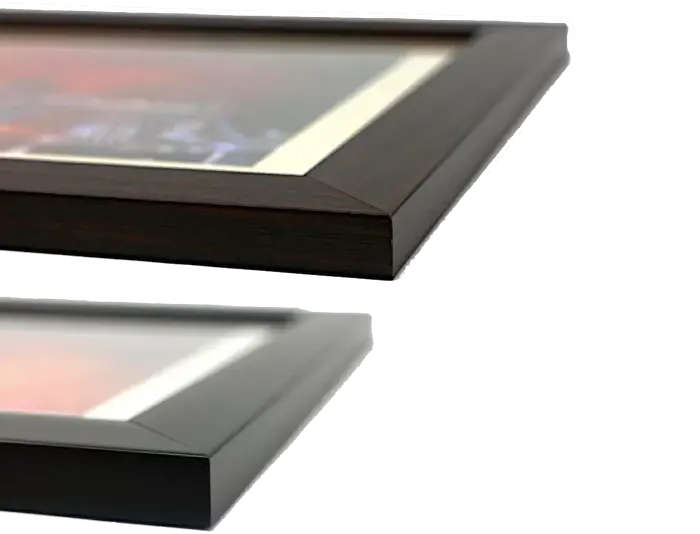
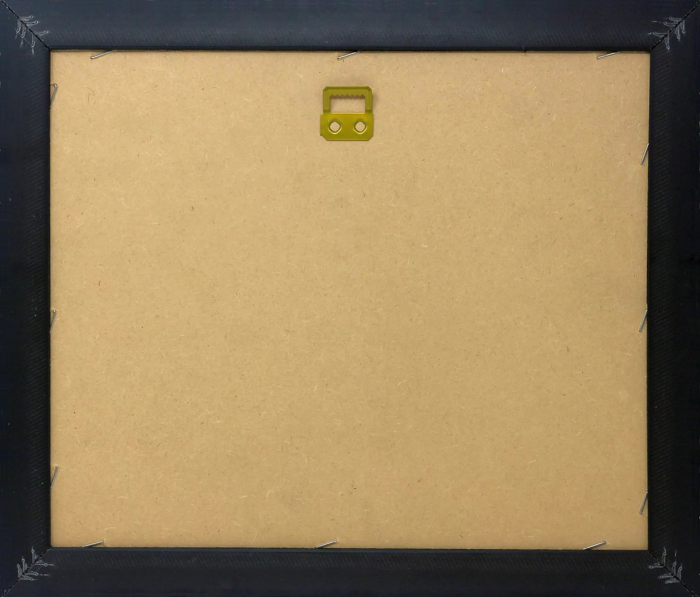
Wood effect frame, card mounted, 10x8 fade resistant photo print. Overall outside dimensions 14x12 inches (36x31cm). Environmentally and ozone friendly, 40mm wide x 15mm Polycore® moulding has the look of real wood, is durable and light and easy to hang. Biodegradable and made with non-chlorinated gases (no toxic fumes) it is efficient; producing 100 tons of polystyrene can save 300 tons of trees! Prints are glazed with lightweight, shatterproof, optical clarity acrylic (providing the same general protection from the environment as glass). The back is stapled hardboard with a sawtooth hanger attached. Note: measurements provided are estimated outer dimensions, which include both the image and the frame. While we aim to keep sizing consistent, exact dimensions may vary slightly due to differences in print size or production requirements, which may result in a variation in the overall size (up to approximately 2.5cm (1"))
These are individually made so all sizes are approximate
Estimated Image Size (if not cropped) is 17.7cm x 24.4cm (7" x 9.6")
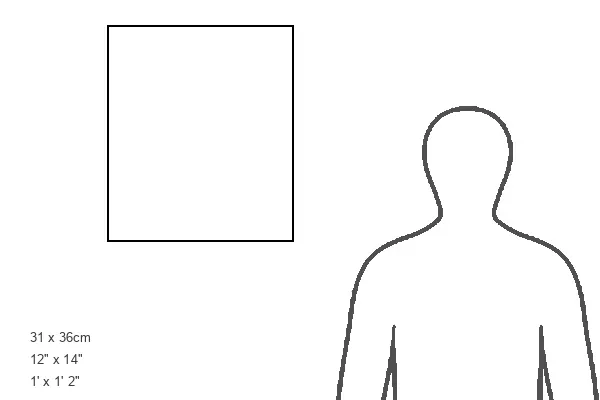
Estimated Product Size is 31cm x 36cm (12.2" x 14.2")