The Afrasiab painting is a rare example of Sogdian art




Framed Prints
This artwork is available as
Framed Print of The Afrasiab painting is a rare example of Sogdian art
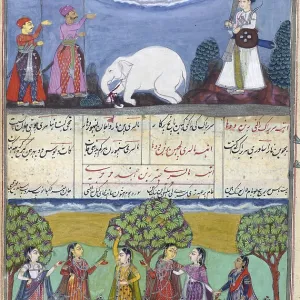
The Afrasiab painting is a rare example of Sogdian art. It was discovered in 1965 when the local authorities decided on the construction of a road through the middle of Afrasiab mound, the old site of pre-Mongol Samarkand. It is now preserved in a special museum on the Afrasiab mound. It is the main painting we have of ancient Sogdian art.
The painting dates back to the middle of the 7th century CE. On the four walls of the room of a private house, three or four different countries neighbouring Central Asia are depicted. On the northern wall China (a Chinese festival, with the Empress on a boat, and the Emperor hunting), on the Southern Wall Samarkand (the Iranian world: a religious funerary procession in honor of the ancestors during the Nowruz festival), on the eastern wall India (as the land of the astrologers and of the pygmies, but the painting is much destroyed there).
The topic on the main wall, the western wall facing the entrance is debated between specialists. Turkish soldiers are escorting ambassadors coming from various countries of the world (Korea, China, Iranian principalities, etc). There are three main hypotheses. The leading expert on Sogdian painting, the excavator of Panjikent, B. Marshak points out that Sogdian painting, gods are always depicted on the top of the main wall. However, as the Turks are guiding the embassies but are not themselves ambassadors, it has been suggested also that the Turkish Qaghan, then lord of inner and central Asia, might be depicted there.
A Chinese text states that the Four Lords of the World, here China, India, Iran and Turan, are depicted on the walls of palaces near Samarkand precisely during this period, and this would perfectly fit the four walls of this room. The last hypothesis makes use of an inscription mentioning the king of Samarkand to propose the idea that the ambassadors are presenting their gifts to him
The Afrasiab painting is a rare example of Sogdian art. It was discovered in 1965 when the local authorities decided on the construction of a road through the middle of Afr?si?b mound, the old site of pre-Mongol Samarkand. It is now preserved in a special. Explore the World Through imageBROKER Prints. © imageBROKER/Pictures From History
Your chosen combination is quickly and professionally made to order - Shipping & Delivery Details
If you are not entirely happy with your items, simply return them to us within 30 days for a replacement or full refund - 30 Day Returns
Media ID 43107214
Afrasiab, Samarkand, Samarkand Region, Samarqand Region, Sogdia, Sogdian, Uzbek
Modern 14"x12" (36x31cm)
Ready to Hang Contemporary Framed Prints adds style, protection, and a polished touch to your space - effortlessly.
Your artwork will be printed as shown in the preview. To adjust please select Print Options under the Buy button
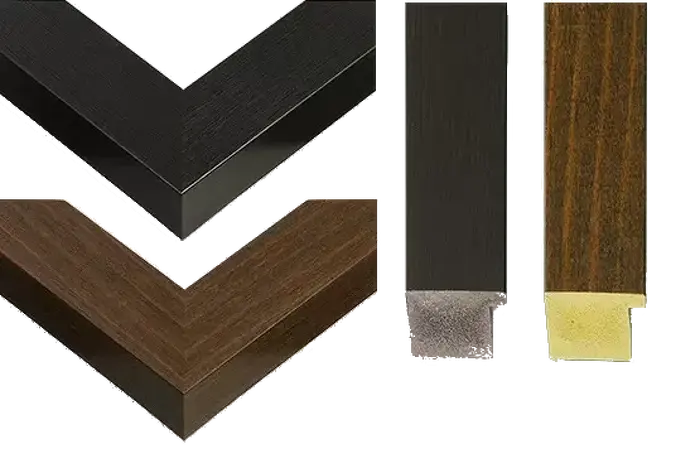
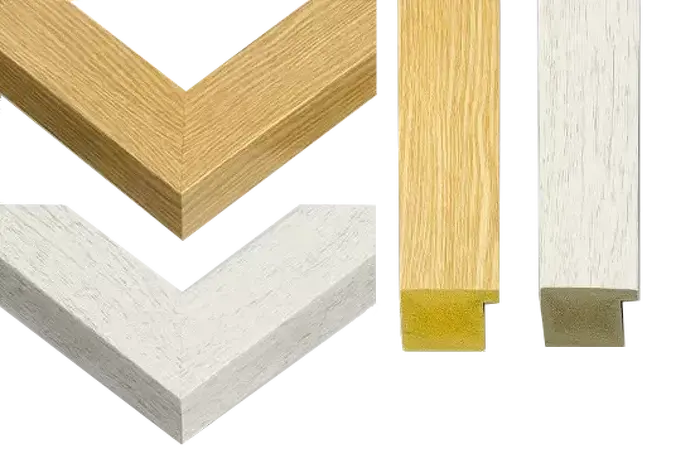
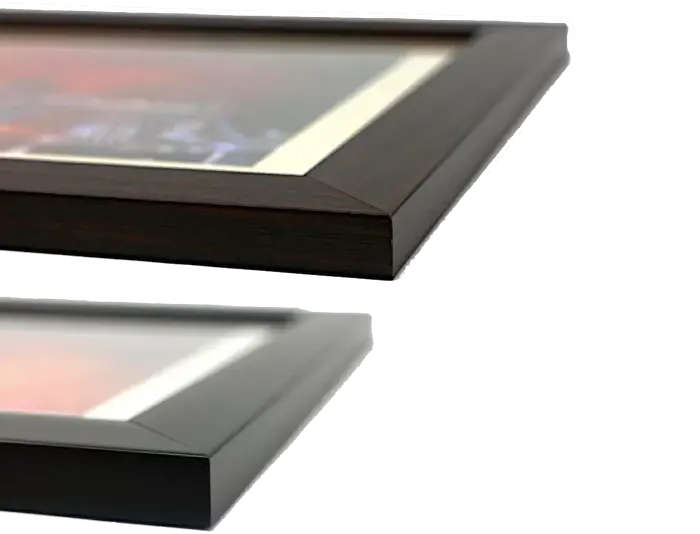
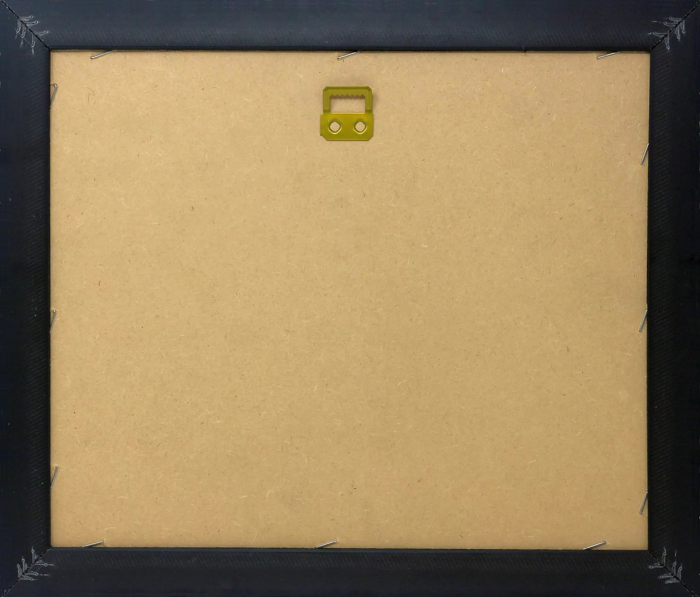
Wood effect frame, card mounted, 10x8 fade resistant photo print. Overall outside dimensions 14x12 inches (36x31cm). Environmentally and ozone friendly, 40mm wide x 15mm Polycore® moulding has the look of real wood, is durable and light and easy to hang. Biodegradable and made with non-chlorinated gases (no toxic fumes) it is efficient; producing 100 tons of polystyrene can save 300 tons of trees! Prints are glazed with lightweight, shatterproof, optical clarity acrylic (providing the same general protection from the environment as glass). The back is stapled hardboard with a sawtooth hanger attached. Note: measurements provided are estimated outer dimensions, which include both the image and the frame. While we aim to keep sizing consistent, exact dimensions may vary slightly due to differences in print size or production requirements, which may result in a variation in the overall size (up to approximately 2.5cm (1"))
These are individually made so all sizes are approximate
Estimated Image Size (if not cropped) is 24.4cm x 16.3cm (9.6" x 6.4")
Estimated Product Size is 36cm x 31cm (14.2" x 12.2")
Features in These Collections
Home > Historic Illustrations EN