

Framed Prints
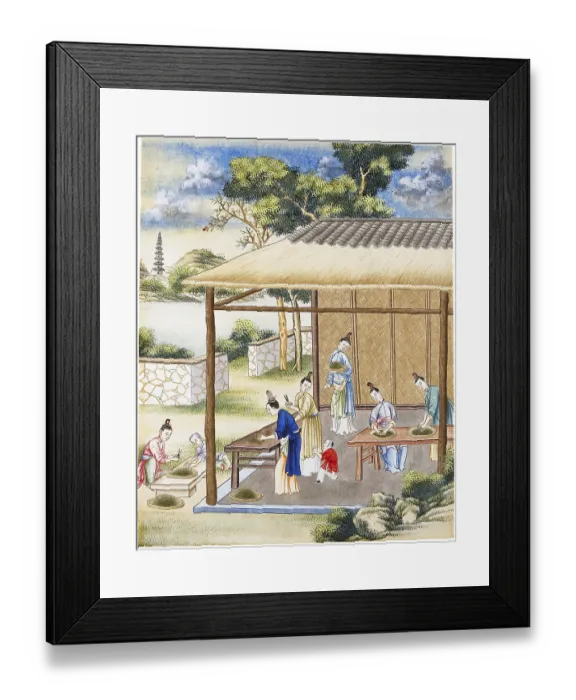
Framed Print of According to oral tradition, tea has been grown in China for more than four millennia
According to oral tradition, tea has been grown in China for more than four millennia. The earliest written accounts of tea making, however, date from around 350 CE, when it first became a drink at the imperial court.
Around 800 CE tea seeds were taken to Japan, where regular cultivation was soon established. Just over five centuries later, in 1517, tea was first shipped to Europe by the Portuguese soon after they began their trade with China. In 1667 the Honourable East India Company ordered the first British shipment of tea from China, requesting of their agents one hundred pounds weight of the best tey that you can get'.
In 1826 the Dutch bought seeds from Japan for cultivation in their growing East Indian Empire, supplementing this effort in 1833 by imports of seeds, workers and implements from China. Meanwhile, also in the 1830s, the East India Company began growing tea on an experimental basis in Assam - the first one hundred boxes of Assamese tea reached Britain in 1840, and found a ready market.
About the same time, tea seedlings were transplanted from Assam to Sri Lanka and planted in the highlands around Kandy. By the beginning of the present century tea was very much in fashion, with plantations established as far afield as Vietnam in Southeast Asia, Georgia in Europe, Natal, Malawi, Uganda, Kenya, Tanzania and Mozambique in Africa, Argentina, Brazil and Peru in South America, and Queensland in Australia. Despite this proliferation, however, Sri Lanka remains the largest producer of tea in the world today, with the fragrant black leaf the mainstay of its economy
According to oral tradition, tea has been grown in China for more than four millennia. The earliest written accounts of tea making, however, date from around 350 CE, when it first became a drink at the imperial court.
Around 800 CE tea seeds were. Explore the World Through imageBROKER Prints. © imageBROKER/Pictures From History
Your chosen combination is quickly and professionally made to order, our shipping page has more details
If you are not entirely happy with your items, simply return them to us within 30 days for a replacement or full refund. Please read our full returns policy.
Media ID 43436861
Dutch East India Company, Guangzhou, Imperialism, Kwangchow, The Way Of Tea
Modern 14"x12" (36x31cm)
Ready to Hang Contemporary Framed Prints adds style, protection, and a polished touch to your space - effortlessly.
Your artwork will be printed as shown in the preview. To adjust please select Edit Printed Image under the Buy button
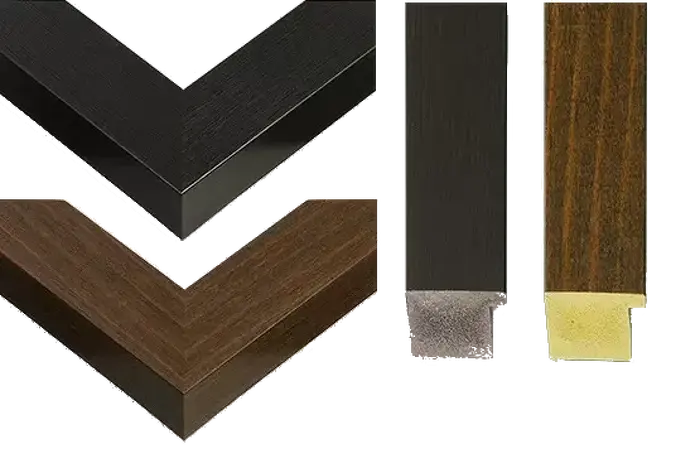
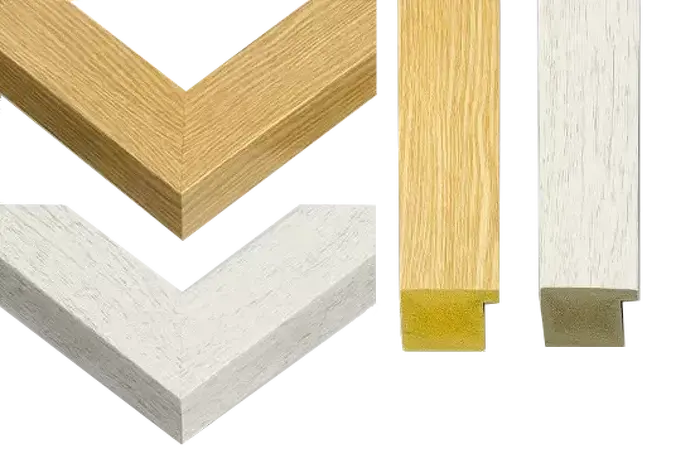
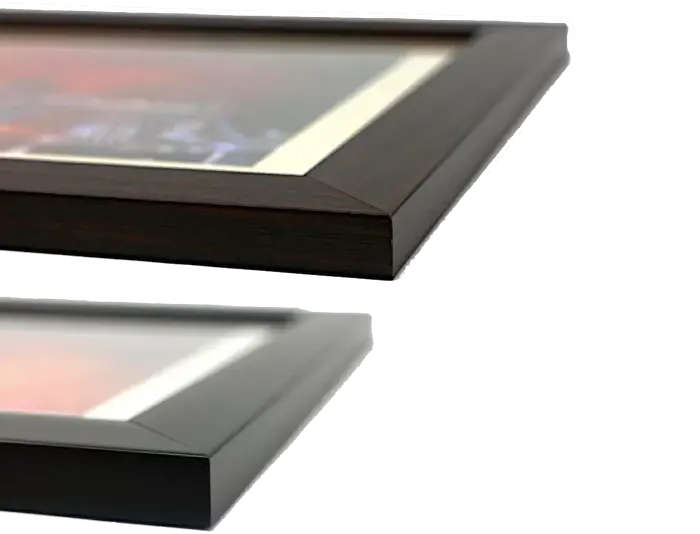
Wood effect frame, card mounted, 10x8 fade resistant photo print. Overall outside dimensions 14x12 inches (36x31cm). Environmentally and ozone friendly, 40mm wide x 15mm Polycore® moulding has the look of real wood, is durable and light and easy to hang. Biodegradable and made with non-chlorinated gases (no toxic fumes) it is efficient; producing 100 tons of polystyrene can save 300 tons of trees! Prints are glazed with lightweight, shatterproof, optical clarity acrylic (providing the same general protection from the environment as glass). The back is stapled hardboard with a sawtooth hanger attached. Note: measurements provided are estimated outer dimensions, which include both the image and the frame. While we aim to keep sizing consistent, exact dimensions may vary slightly due to differences in print size or production requirements, which may result in a variation in the overall size (up to approximately 2.5cm (1"))
These are individually made so all sizes are approximate
Estimated Image Size (if not cropped) is 19.3cm x 23.9cm (7.6" x 9.4")
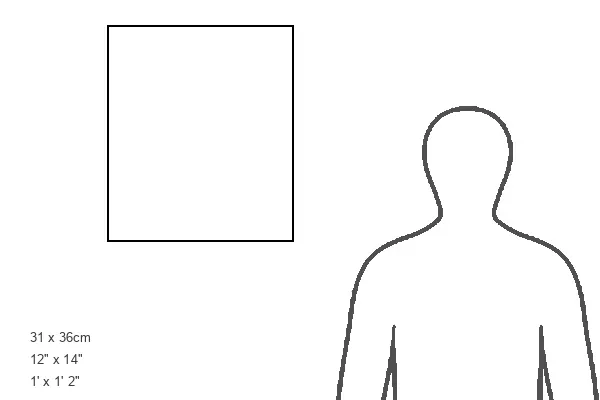
Estimated Product Size is 31cm x 36cm (12.2" x 14.2")